Biologic education
Amniotic Tissue Grafts for Medical Practices
Talk to a rep about amniotic tissue grafts for medical practices, including AATB sourcing, Section 361 HCT/P status, traceability, and procurement.
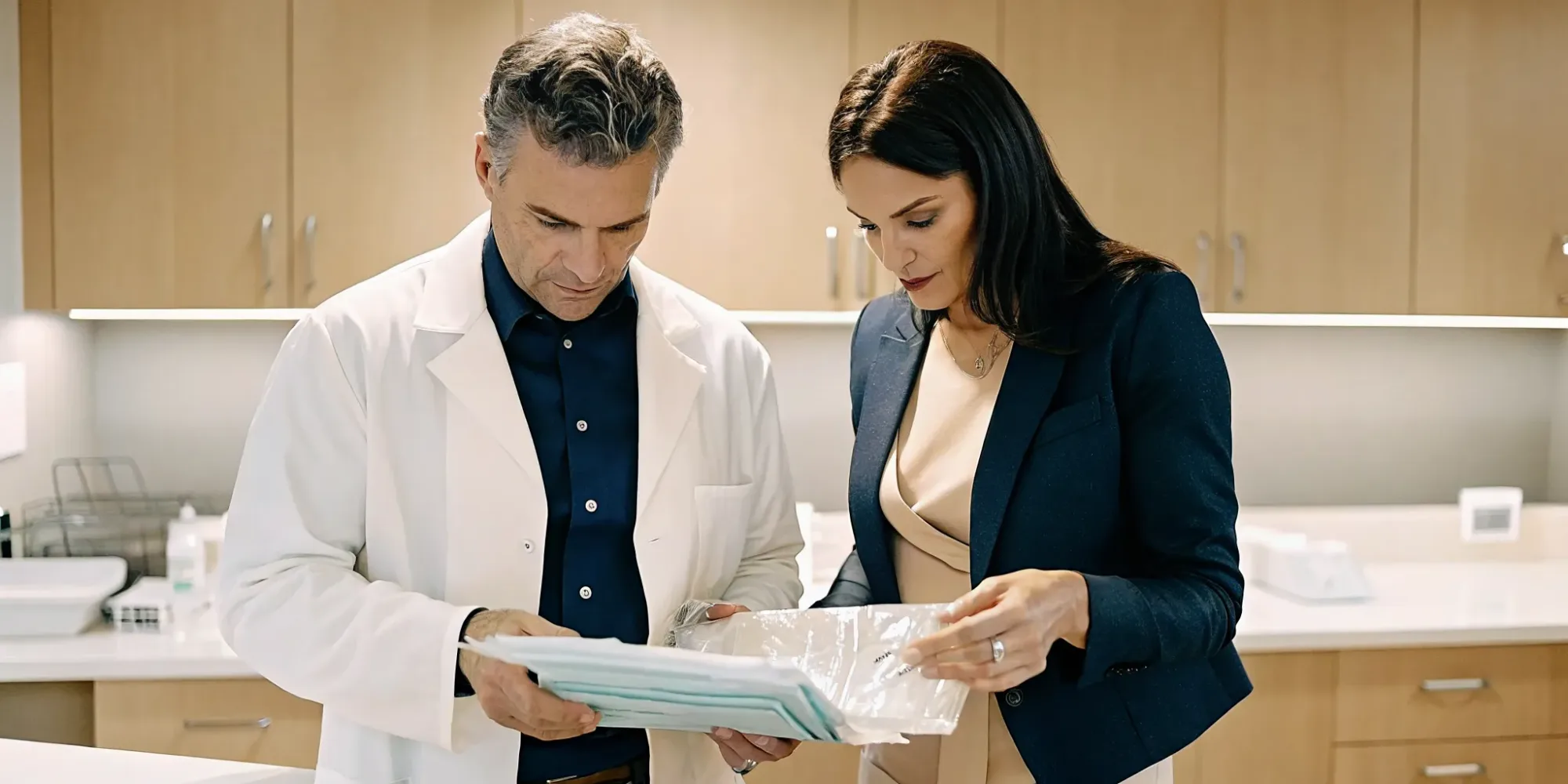
Managing many vendors for medical supplies adds too many hours to a clinic's weekly workload. This split system forces medical directors to deal with complex paperwork and different billing cycles. Plya Med simplifies this through one easy way to get vetted biologics.
Amniotic tissue grafts for medical practices are a procurement category that clinics source from vetted US tissue banks. These grafts and follow strict safety rules set by the government. To keep patients safe, the FDA regulates these products as Section 361 HCT/Ps, which means they must stay close to their natural state (minimal manipulation and homologous use). For a busy clinic, getting these tissues often means dealing with too many vendors and confusing bills. Plya Med helps by putting everything into one simple system that handles sourcing and paperwork. This setup cuts down on office work while giving doctors access to biologics from many sources. By making the supply chain easier to use, practices can spend less time on paperwork and more time with patients.
Choosing a partner is the first step in adding these biologics to your clinic. Integration requires a clear grasp of how these tissues work and where they come from. We have outlined What medical practices need to know about amniotic tissue grafts, and the path begins with
Amniotic Tissue Grafts For Medical Practices: What medical practices need to know about amniotic tissue grafts
Amniotic tissue grafts for medical practices are a key part of modern care. These grafts come from the inner layer of the placenta. They are taken from healthy donors after a safe birth. Clinics use these materials as a protective tissue layer.
They are often called human placental skin covers after they are cleaned to remove germs. Many offices now source them as a standard tool for wound care and surgical cases.
Regenerative medicine practices like podiatry and vascular surgery rely on these grafts daily. They provide a physical layer that covers and shields a wound site. This makes them a common choice for doctors who want a protective tissue layer.
Defining amniotic tissue grafts
These grafts are not the same as amniotic fluid. A graft is a physical tissue layer that acts as a scaffold. Many wound care clinics use these tools for deep skin injuries.
Clinics use amniotic tissue products for deep injuries. Published reports describe natural growth factors and proteins in these tissues.
Clinicians decide where a covering layer fits for each patient. For the practice, a clear sourcing process supports consistent supply and complete records.
Regulatory standards and HCT/P classification
The FDA has strict rules for these products to ensure safety. They are grouped as human cells, tissues, and cellular and tissue-based products, or HCT/Ps. The FDA rules them under 21 CFR Part 1271 to limit the spread of disease.
To fall under Section 361, the tissue must meet two goals. It must be for homologous use and have minimal manipulation. This means the graft keeps its natural function after it is prepared for use. Practices must understand these rules to stay legal.
Following federal law protects both the patient and the clinic. The FDA requires labs to screen all donors for health risks and test for disease. When you buy these products, you must check that the lab follows all FDA rules to ensure safety.
Safety, sourcing, and traceability
Safe sourcing is vital for clinic success and patient trust. Your practice must ensure that every graft comes from a screened donor. High-quality labs review medical history and test for disease. Most top vendors work with AATB-accredited tissue banks to keep high standards.
Proper procurement of amniotic tissue grafts requires lot-level tracking. This tracking helps you manage your stock and meet all legal needs. Using a unified platform can help you avoid vendor stress and cut down on work.
Lot-level chain-of-custody helps you meet federal rules easily. It also ensures you can trace every item back to its source. This is vital if a safety issue ever comes up in the future. A clear record keeps your practice ready for any check.
How Section 361 HCT/P status shapes procurement
Sourcing amniotic tissue grafts for medical clinics starts with U.S. law. The FDA rules human cells and tissues under 21 CFR Part 1271. These items are called HCT/Ps. Section 361 status means a product meets clear safety rules. This status helps clinics get the tools they need without the long paths used for new drugs. It allows a faster way to bring products to the point of care. This speed matters to clinics that need fresh supplies on hand.
The role of minimal manipulation
To keep Section 361 status, a graft must have minimal manipulation. This means the lab does not change the core traits of the tissue during work. The tissue stays close to its native state to do its job. Labs must follow FDA guidance to show they do not over-process the graft. If the lab changes the tissue too much, the FDA may call it a drug. This change would lead to a much harder path to buy and use the product.
Ensuring homologous use
Clinics must also make sure of homologous use. This means the tissue does the same basic job in the patient as it did in the donor. For example, using a graft to cover a wound fits this rule if the tissue served as a shield before. Using these products the right way keeps your clinic in line with U.S. rules. It is often helpful to read about the procurement of amniotic tissue grafts to see how these rules apply to your work. Checking these factors helps you compare products against your clinical needs.
Verifying donor safety and eligibility
Safety is the main goal of these rules. Labs must screen donors to limit the spread of disease. The FDA sets strict steps that every lab must follow.
- Review the health records of the donor.
- Perform a full body check.
- Check for signs of disease spread.
- Verify the source with a clear chain of custody.
Clinics should look for grafts from AATB-accredited banks. These banks meet high bars for safety and quality. Working with vetted labs makes sure every graft has lot-level tracking. This paper trail is vital for your clinic records and patient safety. Proper screening makes sure that the items you use meet your documentation and screening rules.
Simplifying the buying process
Managing many vendors can slow down a busy clinic. A joined system helps you get what you need from one source. This move cuts the work needed for billing and tracking. You can find all the needed records in one spot. This setup saves time and stops errors in your supply chain. Having one point of contact makes it easy to check that every product meets Section 361 rules. It lets your team focus on care rather than hard paperwork. One account and one bill make the whole process much smoother for your staff.
Why AATB accreditation matters to practice buyers
Buying amniotic tissue grafts for medical practices is a major choice for any clinic. You need to know the products are safe for your patients. You also need to know they meet all legal rules. This is where the American Association of Tissue Banks (AATB) comes in. Their standards go beyond the basic law and add quality checks.
Plya Med sources products from US labs that have this high level of trust. We work with AATB-certified tissue banks and document their screening. These labs follow strict paths for safety and screening. Using a vetted source gives you records to review. It also lets you focus on patient care.
High standards for tissue safety
The FDA sets the base rules for human cells and tissues. These products are known as HCT/Ps. They are managed under 21 CFR Part 1271 to stop the spread of disease. While these rules are strong, AATB standards add more layers of check. This helps keep the risk of sickness very low for every graft.
To meet these rules, banks must screen donors very carefully. They check the medical history and do physical tests. They also test for many germs that could pass to a patient. This careful work is a core part of the procurement of amniotic tissue grafts in the United States. It makes sure that only safe tissue reaches your practice.
Strong sourcing controls give your clinic a clearer record. Documented sourcing supports your clinic's due diligence and makes your work more stable. Reliable tissue is the base of any good medical program.
Rules for donor screening
FDA rules for donor fitness are a must for any tissue bank. The bank must review the donor's past health and current state. They look for any sign of risk or disease. This step is vital to screen donors for communicable disease risk that could affect others. It is the first line of defense in tissue banking.
Certified banks use even better tools for this work. They use labs that are checked and audited as part of accreditation. These banks also keep deep records for every single step. This makes it easy to look back if a problem ever comes up. For a medical lead, this data is worth more than the product itself.
These banks also follow strict rules for how they collect the tissue. They work with hospitals to make sure the process is clean and fair. Every donor must give full consent before the tissue is taken. This high level of care builds trust between the lab and your clinic. It shows that the entire supply chain is held to a high code.
| Criteria | FDA Registration | AATB Accreditation |
|---|---|---|
| Legal Status | Required by federal law | Voluntary gold standard |
| On-Site Audits | May happen at any time | Regular, scheduled audits |
| Donor Testing | Standard disease panels | Advanced screening tools |
| Safety Culture | Regulatory compliance | Quality systems focus |
| Traceability | Basic lot tracking | Full chain of custody |
Lot-level tracking and safety
Tracking is the ability to follow a graft from the donor to the clinic. Every amniotic product must have a clear lot number. This number links to all the screening and data. Lot-level tracking is a key part of how we manage amniotic tissue grafts for medical practices today. It helps you stay in line with all health rules.
If a question about a graft arises, you must be able to act fast. A clear chain of custody lets you find the exact source in minutes. AATB banks must keep these records for many years. This long-term data protects both the clinic and the patient. It shows that your practice values safety in every step.
Choosing a partner who knows these rules saves you time. You do not have to vet every single lab on your own. Plya Med does that work for you. We look for labs that hold AATB accreditation. This helps you build a stable supply for your wound care needs.
How to build a compliant graft procurement workflow
Medical practices need a strong plan to buy and use amniotic tissue grafts for medical practices. Buying these grafts is not like buying office supplies. You must follow strict rules to keep patients safe. A good workflow helps you track every graft from the lab to the patient. This stops errors and keeps your office ready for audits. It also saves time for your team by making steps clear.
Many offices find it hard to manage many vendors. Each one has different forms and rules. When you build a single workflow, you reduce this stress. You can use one set of steps for every graft you buy. This helps your staff know what to do when a new shipment arrives. It also makes sure you never miss a step in the chain of custody. Consistency is the key to safety and compliance in wound care.
Screen your supplier for compliance
The first step in your workflow is to pick the right partner. You must verify that your supplier uses vetted US labs. These labs must follow FDA rules for human cells, tissues, and cellular and tissue-based products, or HCT/Ps. The FDA sets these rules in 21 CFR Part 1271 to limit the spread of disease. If a supplier cannot show they meet these rules, you should not use them.
You should also look for AATB accreditation. The American Association of Tissue Banks sets high standards for safety. Sourcing from accredited banks means the grafts have a clear history. You should ask for proof of donor screening and testing. This testing checks for communicable disease markers that could pass to recipients. A good supplier will give you these records without a fight. Keeping these files on hand is a big part of staying compliant.
Standard steps to buy amniotic tissue grafts
Once you have a vetted supplier, you need a clear path to buy. A simple sequence helps your office stay organized. This is vital when your clinic sees many wound care patients. Here is a standard procurement of amniotic tissue grafts workflow for most clinics.
- Confirm donor eligibility. Verify the donor history and physical exam records. The lab must test for diseases to meet FDA safety needs.
- Check coverage and cost. Confirm your practice's billing and payer requirements before you order. This helps you plan your cash flow.
- Place the order. Use a secure portal or call your rep to get the right graft size. Many offices use combined billing to keep invoices in one place.
- Receive and inspect. Look at the box as soon as it gets to your office. Check for damage and make sure the cold chain was not broken during the trip.
- Log the lot number. Record the unique lot number and date in your patient files. This step is vital for tracking the graft if there is a product recall.
- Store correctly. Put the grafts in the right storage area based on lab rules. Most amniotic grafts need a set temperature to stay safe.
Following these steps helps you avoid common pitfalls. Some offices skip the billing check. Others may skip the lot log, which makes recalls very hard to handle. When you follow a set plan, you protect your practice and your patients. It also makes it easier to train new staff members on how to handle biologics.
Manage lot records and support
Traceability is the most important part of your record-keeping. You must track every graft to the specific patient who received it. This is called the chain of custody. If a lab finds a problem with a lot, they will send a recall notice. If your records are poor, you will not know which patients are at risk. Good records help you act fast and keep patients safe. They also prove your practice follows high standards.
You should also have a plan for adverse events. If a patient has a bad reaction, you must tell the lab and the FDA. Your supplier should have a rep who can help you with this process. Having a human to call makes a big difference during a crisis. They can help you file the right forms and find answers. Good support is just as important as the product itself. Choose a partner who answers the phone and knows your office needs.
What does strong lot-level traceability look like?
Strong lot-level traceability ensures that every tissue graft used in your practice can be tracked from its source to the patient. This process is a key part of how the FDA regulates human cells and tissues (HCT/Ps) under 21 CFR Part 1271. For medical practices, this means maintaining a clear chain-of-custody that links specific product batches to individual treatment records.
The role of AATB accreditation
Reliable traceability begins with sourcing. Medical practices should work with AATB-accredited tissue banks to ensure that products meet high safety standards. These banks maintain strict records on donor screening and testing to minimize the risk of disease transmission. When you use amniotic tissue grafts for medical practices, starting with a vetted supplier simplifies your own record-keeping tasks.
Essential records for clinical compliance
To maintain proper traceability, your practice must track specific data points for each graft. This includes the lot number, expiration date, and the name of the lab or tissue bank. You should also record the date of receipt and the condition of the shipping container. These records are vital if a manufacturer ever issues a recall or if a patient has an adverse reaction. Having this data ready allows for a fast and accurate response.
Reducing the administrative burden
Managing multiple vendors and their unique tracking systems can lead to errors and heavy workloads. A unified procurement partner helps by providing consolidated records for biologic wound-care materials. This setup reduces vendor fragmentation and lets your team focus on patient care. By using one system for all your biologics, you can ensure consistent lot-level tracking across your entire practice.
How should a medical practice evaluate a graft supplier?
Choosing a source for amniotic tissue grafts for medical practices is a major task for any clinic. A medical team must judge a supplier by their past, how they handle goods, and their support tools. A good partner helps your team focus on care while they manage the supply chain. You should check if they work with vetted labs and keep high marks for safety. Picking the right group ensures that your staff can get the tools they need without added stress.
Rules and federal standards
The first step is checking that the group follows federal rules for tissue safety. Graft goods fall under a group called human cells, tissues, and cellular and tissue-based products, or HCT/Ps. The FDA sets these rules to stop the spread of disease between donors and patients. You must make sure your supplier follows these laws to protect your clinic. This includes deep donor checks and tests for germs before any tissue is used.
Safety starts with how a supplier picks their donors and keeps records. The FDA has clear steps for donor status and health checks. This includes a full review of health history and a physical exam. A supplier should show they follow these steps for every lot they sell. You should ask for product papers and proof of following the rules. Knowing these facts helps you document the tools you use in wound care or surgery.
Approvals and tracking
Expert approval is another key sign of a safe and reliable partner. Look for a partner that works with tissue banks that have AATB marks. These groups follow strict rules for how they store and move tissue from one place to another. When you use procurement of amniotic tissue grafts through a vetted group, you lower your risk. It ensures the tissue stays safe from the lab to your clinic door.
Tracking is just as vital for your office records and patient safety. Every graft needs a lot-level code for quick lookups. This means you can track a specific item back to its source if there is ever a problem. A strong supplier gives a clear path for every item they ship. This makes it easy to follow health rules and manage your stock. It also helps you handle state audits with far less work and fewer errors.
Office support and billing
The best suppliers act as a support base for your office and staff. Instead of dealing with many groups, you can use one joined marketplace for all your needs. This cuts the time your staff spends on forms, bills, and phone calls. You should look for a partner that offers one account and one unified bill. This makes it simple to track your spending and pay for goods each month without checking five different lists.
Flexible terms and human help also help your clinic run well day to day. Some partners offer Net-30 payment terms to help your cash flow. You should also check if you will have a set rep to help with orders and issues. It is better to talk to a real person who knows your clinic than to use a computer screen alone. Also, make sure you can pick any brand you want. This means you have no formulary lock-in and can choose the grafts that fit each patient.
Fast help with issues is also a sign of a great partner. If an order is late or a box is damaged, you need a way to fix it fast. A good supplier has a clear way to solve problems without long wait times. This keeps your clinic on track and your schedule steady. Working with a group that values your time is a win for everyone in the practice.
Frequently Asked Questions
What regulatory standards govern amniotic tissue grafts for medical practices?
The FDA regulates these products under 21 CFR Part 1271 as human cells, tissues, and cellular and tissue-based products, or HCT/Ps. To meet safety rules, grafts must involve minimal manipulation and be for homologous use. Licensed practices should source from AATB accredited tissue banks. These banks follow strict rules for donor screening and testing to help limit the spread of disease while keeping the native biological function of the tissue.
How can a clinic ensure the traceability of amniotic tissue grafts?
Medical practices must use lot-level chain of custody records to track every graft from the donor to the patient. Working with vetted suppliers helps maintain these clear audit trails. According to Plya Med, using a unified procurement platform can help a clinic manage this data more easily. Proper tracking is vital for meeting federal compliance standards and ensuring patient safety throughout the entire surgical or wound care process.
Are amniotic tissue grafts considered human placental skin substitutes?
Yes, many amniotic products are classified as placental skin substitutes after they are processed to remove contaminants. These grafts provide a natural tissue scaffold used in advanced wound care and surgery. Industry reports describe these tissues as having unique biological properties. They are often used as a protective layer in wound care and during complex surgical cases.
Why should a medical practice use a procurement partner for biologics?
A procurement partner helps a clinic avoid vendor fragmentation and reduces the work needed for credentialing. Instead of managing many individual contracts, a practice can use one account for all its needs. Plya Med notes that this leads to consolidated billing and better operational support. This system allows doctors and office managers to focus more on patient care rather than the complex administrative tasks of sourcing high-quality regenerative biologics.
Ready to simplify your amniotic tissue graft procurement?
Handling many distinct vendor deals means more time lost to busy work and higher costs for your clinic staff who should focus on patients instead. Moving to a single source for all your biologic needs today can simplify your billing and give your staff time back. Waiting to make this change only keeps your clinic tied up in slow steps, so take the lead today to get the help you need.
Ready to talk to a rep? Our team is here to help you find the right path for your medical practice today. Visit our biologics page to talk to a rep and see how we can support your clinic growth.
These statements have not been evaluated by the Food and Drug Administration. This product is not intended to diagnose, treat, cure, or prevent any disease.